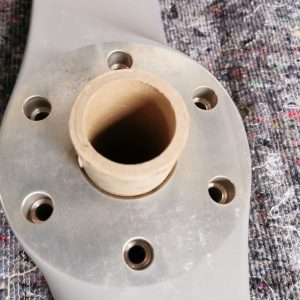
New, Never Installed presents aircraft owners, builders, maintenance facilities, restorers, and aviation parts buyers with an identifiable propeller option for an appropriately verified aircraft installation.
The Sensenich Propeller P/N 74DM6-0-60, Sensenich 74DM6 Propeller, and 74DM6-0-60 Aircraft Propeller descriptions identify closely related searches for this specific aviation component.
These related phrases connect the product with buyers seeking a durable and comparatively straightforward general aviation propeller design.
A 74-Inch Aircraft Propeller and 60-Inch Pitch Propeller should be confirmed through manufacturer markings, approved data, and suitable measurement rather than model interpretation alone.
The Certified Aircraft Propeller description should distinguish the approved propeller design from the current serviceability and installation eligibility of the individual unit.
Understanding the 74DM6-0-60 Model Number
Every digit, letter, dash, suffix, alteration stamp, and serial marking should be recorded because similar-looking propellers can have different applications or dimensional configurations.
Original packaging can support the product history but does not replace inspection of the actual propeller.
Understanding New-Old-Stock Propeller Status
An unused propeller may still develop coating damage, corrosion, moisture exposure, scratches, dents, contamination, or packaging-related abrasion.
A never-installed statement may be supported by the absence of operational erosion, mounting impressions, spinner contact, bolt marks, and documented operating time.
Understanding Fixed Blade Geometry
Correct matching protects the engine, propeller, and aircraft from unsuitable loading or operation.
Professional verification supports responsible use of the Sensenich Fixed-Pitch Propeller.
Protecting Aluminum Propeller Surfaces
Metal construction does not eliminate the possibility of fatigue, corrosion, impact damage, improper material removal, dimensional loss, or storage deterioration.
Factory paint and protective coating should be checked for lifting, bubbling, scratches, abrasions, discoloration, and exposed metal.
Understanding Diameter and Aircraft Clearance
Any authorized diameter reduction should appear in the propeller markings and maintenance records.
Diameter should be measured using an appropriate hub-center reference and complete tip-to-tip procedure.
Verifying the 74DM6-0-60 Pitch
The 60-inch pitch designation is an important specification that should be verified through model markings, suitable technical data, and professional measurement when required.
Professional pitch evaluation protects the Sensenich 74DM6-0-60 Propeller.
Selecting an Approved Propeller Installation
Aircraft-specific research reduces unsuitable fitment and loading concerns.
Qualified research supports responsible selection of a Lycoming O-320 Propeller.
Evaluating Both Propeller Blades
Matched blade condition supports smoother propeller operation.
Unexplained grinding, drilling, filing, material removal, or attached weights should receive professional review.
Bolt Pattern and Engine Flange Compatibility
The propeller hub should match the receiving engine flange, pilot diameter, bolt pattern, approved spacer arrangement, spinner components, and required installation hardware.
A propeller-only listing may require additional hardware before installation can begin.
Evaluating Scratches, Dents, and Finish Damage
Professional evaluation protects the Sensenich Aircraft Propeller from unsuitable installation.
Unauthorized sanding, filing, blending, refinishing, or polishing should be avoided.
Maintaining the Factory Finish
Discoloration, white residue, paint bubbling, coating separation, staining, or pitting should be evaluated instead of dismissed automatically as cosmetic.
Periodic inspection can identify developing coating or environmental concerns.
Reviewing Propeller Release Documentation
Accurate language prevents unsupported certification or installation claims.
A release certificate or service tag belonging to another serial number does not establish the condition of the offered unit.
Propeller Traceability and Documentation
Reliable traceability improves professional buyer confidence.
Complete history supports future maintenance, installation research, and resale.
Buying the Sensenich 74DM6-0-60
The seller should provide photographs of both sides of each blade, leading edges, trailing edges, tips, hub, mounting holes, data plate, packaging, and any damaged areas.
- Resolve identity, applicability, dimensions, condition, and package-completeness questions before payment.
- Inspect or document the diameter, pitch, blade symmetry, finish condition, corrosion, pitting, scratches, dents, cracks, coating damage, tip shape, mounting holes, and hub surfaces.
- Inspect and photograph the propeller immediately after delivery before cleaning, measuring, balancing, repairing, mounting, or modifying it.
Safe Freight Handling Procedures
Moisture-resistant wrapping may be appropriate when it does not trap condensation against the aluminum.
The propeller should remain immobilized throughout transport.
Long-Term Aluminum Propeller Storage
Responsible storage preserves the future usefulness of the Aluminum Aircraft Propeller.
Identification labels, serial records, release documents, and included hardware should remain associated with the correct propeller.
Preparing for Ground and Flight Checks
The engine flange, pilot fit, mounting surfaces, threads, bolt holes, and related components should be inspected before assembly.
Fasteners should be tightened and secured according to applicable procedures, torque values, and tightening sequences.
A ground run should not replace incomplete compatibility research or required technical inspection.
Routine Sensenich Propeller Maintenance
Consistent maintenance protects the Sensenich Fixed-Pitch Propeller.
Maintenance records should identify inspection findings, measurements, corrective action, parts, dates, and personnel involved.
Evaluating Never-Installed Propeller Pricing
The commercial value of a new Sensenich propeller depends on exact read more identification, serial number, manufacturing date, storage history, dimensional conformity, factory finish, inspection status, traceability, and included accessories.
Total acquisition cost may include the purchase price, specialist inspection, dimensional verification, static or dynamic balance work, mounting hardware, spinner components, installation labor, packaging, shipping, and documentation.
Selecting a General Aviation Replacement Propeller
When thoroughly evaluated, documented, packaged, installed, and maintained, the Sensenich Propeller – P/N 74DM6-0-60
The propeller should be evaluated with the receiving aircraft’s Lycoming engine, flange, spinner, operating limitations, clearances, and approved installation requirements in mind.
Whether the propeller is purchased for replacement, restoration, new construction, spare inventory, resale, or an aircraft project, transparent information and qualified oversight provide the strongest foundation.
With complete evaluation and continued care, the Sensenich Propeller – P/N 74DM6-0-60